從「去色素」走向「全皮膚層修復」的再生醫學
根據國際對黑色素沉著過度疾病的管理共識,醫學界已逐漸告別過去單純「去色素」的治療思維,轉向以「全皮膚層健康修復」為核心的再生醫學路徑(註1)。新一代皮膚美學,更同步關注基底膜、皮膚屏障與皮膚微環境穩定性,強調從根本改善皮膚結構。
鄭國良醫師指出,對許多亞洲女性來說,真正困擾的從來不只是斑點本身,而是「反覆治療、反覆反黑」的循環。根據文獻,83%至95.5%的肝斑病灶,存在基底膜帶損傷(註2),一旦表皮與真皮接合處結構不穩定,黑色素就會向下滲透至真皮層,形成深層色素沉澱,也讓斑點變得更深、更容易復發。
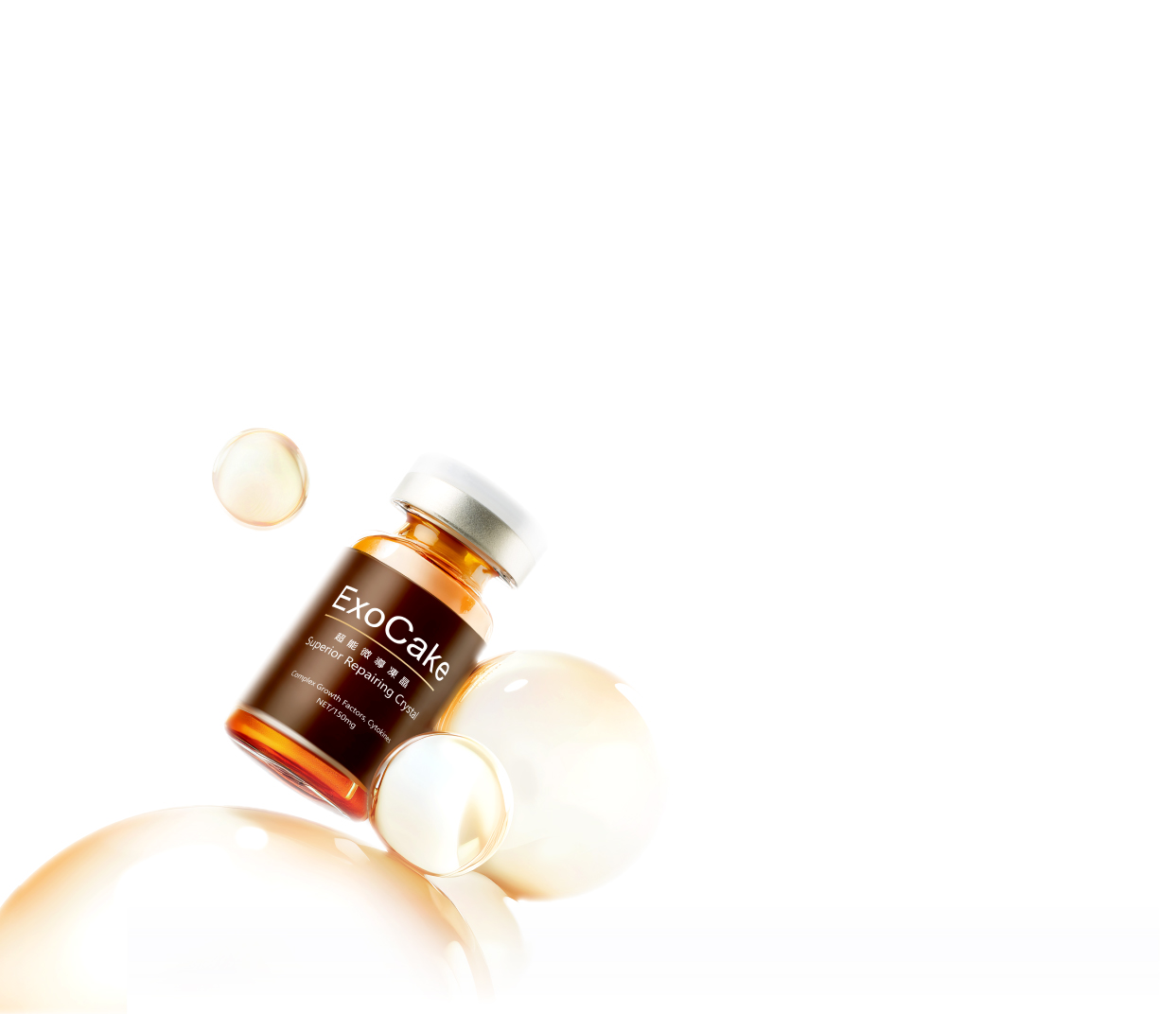
ExoCake是高純度、高濃度、結構穩定的「臍帶間質幹細胞外泌體」,獲政府人體外泌體妝品原料核可
外泌體驅動光電再生醫學
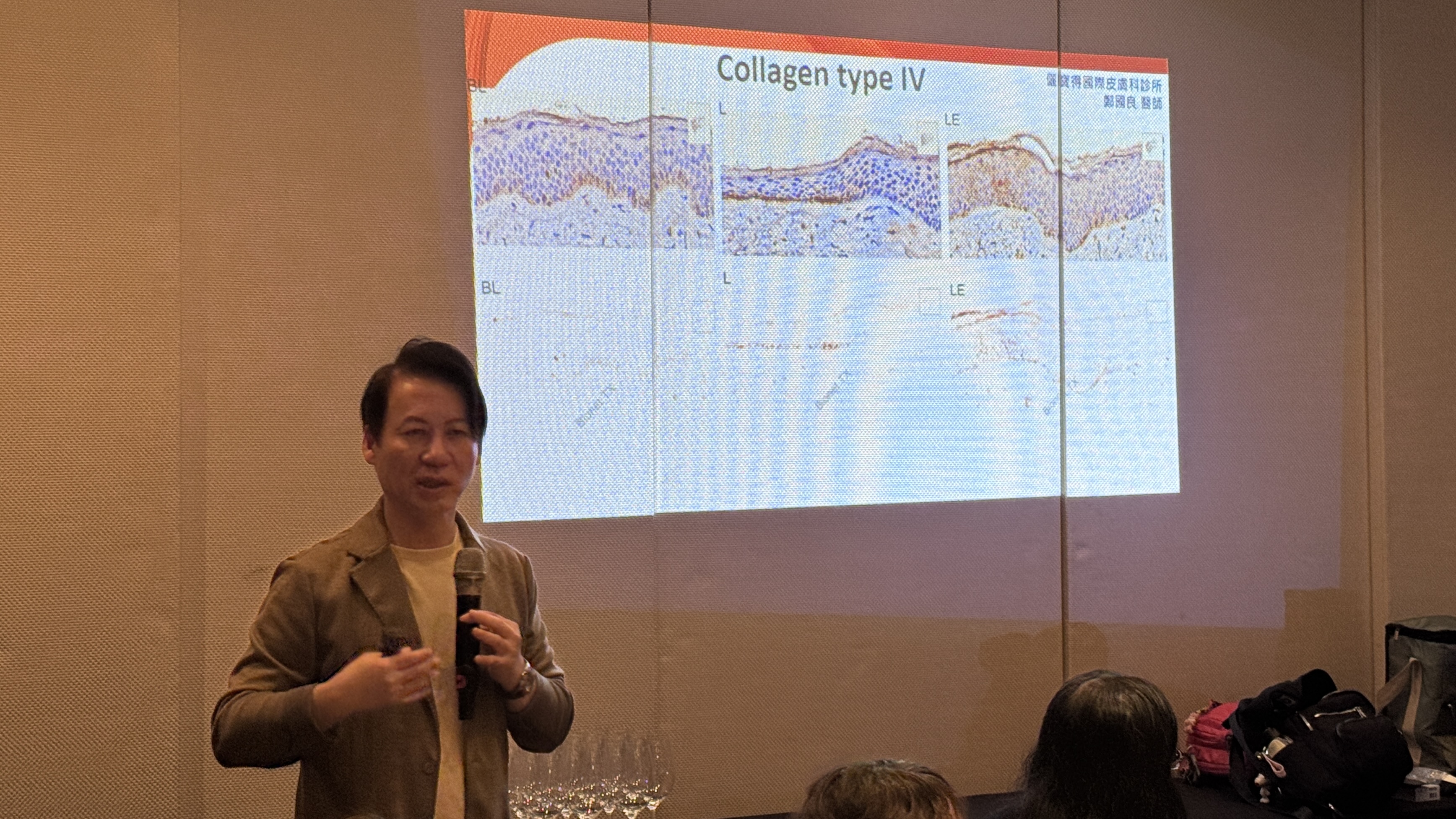
鄭國良說明,傳統雷射治療後第六週,負責皮膚彈性細緻的「第三型(嬰兒)膠原蛋白」通常會逐漸下降,並由第一型膠原蛋白接替,進入傷口癒合型修復。然而,在雷射搭配外泌體這一組的組織病理數據中,第六週第三型膠原蛋白仍維持極高表現,最高提升達12至15倍,顯示組織仍停留在早期的「再生修復狀態」而非傷口癒合修復,同時發現,皮膚基底層「第四型膠原蛋白」顯著增加3.5倍。
鄭國良形容:「這代表傷口癒合的時鐘,可能被重新調回更具活力的更新模式。」
這項臨床研究的背後,是訊聯AI科技在驅動,相關重大發現近期也獲登國際期刊《Current in Molecular Biology》。該文獻運用AI多體學分析,指出同一條臍帶上、兩種不同來源的外泌體,其黑色素調控功能竟然完全相反,在臨床應用光譜的兩端,各有相當大的前景!其中,來自臍帶間質幹細胞的外泌體,具有抑制黑色素生成相關miRNA,未來有望應用於肝斑、反黑等黑色素沉著問題,另一種臍帶血來源的外泌體,則具備促進黑色素形成的miRNA。
訊聯已取得TFDA人體細胞外泌體原料核可,透過16年AI生物數據分析技術,建立的外泌體分子分析平台,有源源不絕的發現!AI加持下,訊聯更在短短一年內發表7篇AI數位研發相關論文,AI實力不容小覷。
鄭國良說明,在雷射搭配外泌體這一組的組織病理數據中,皮膚基底層「第四型膠原蛋白」顯著增加3.5倍
參考文獻:
1. Global consensus on the management of melanin hyperpigmentation disorders
2. Histochemical and Immunohistochemical Study in Melasma: Evidence of Damage in the Basal Membrane.
附註:本研究成果僅限於合規外泌體原料透過「能量儀器(EBD)物理性導入」或「術後外用塗抹」之臨床表現。
Taiwan’s Exosome National Team Shines at ASLMS 2026: Revolutionizing Treatment for Melasma and PIH; Featured in New U.S. Cosmetic Surgery Textbook
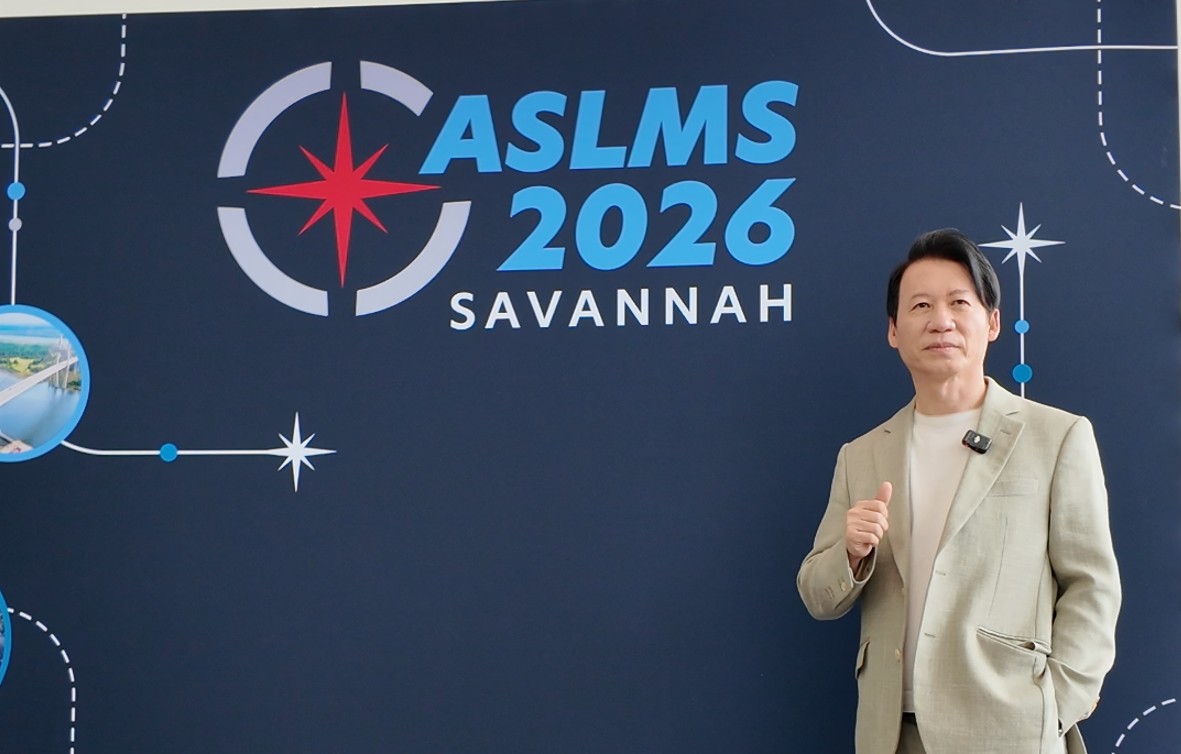
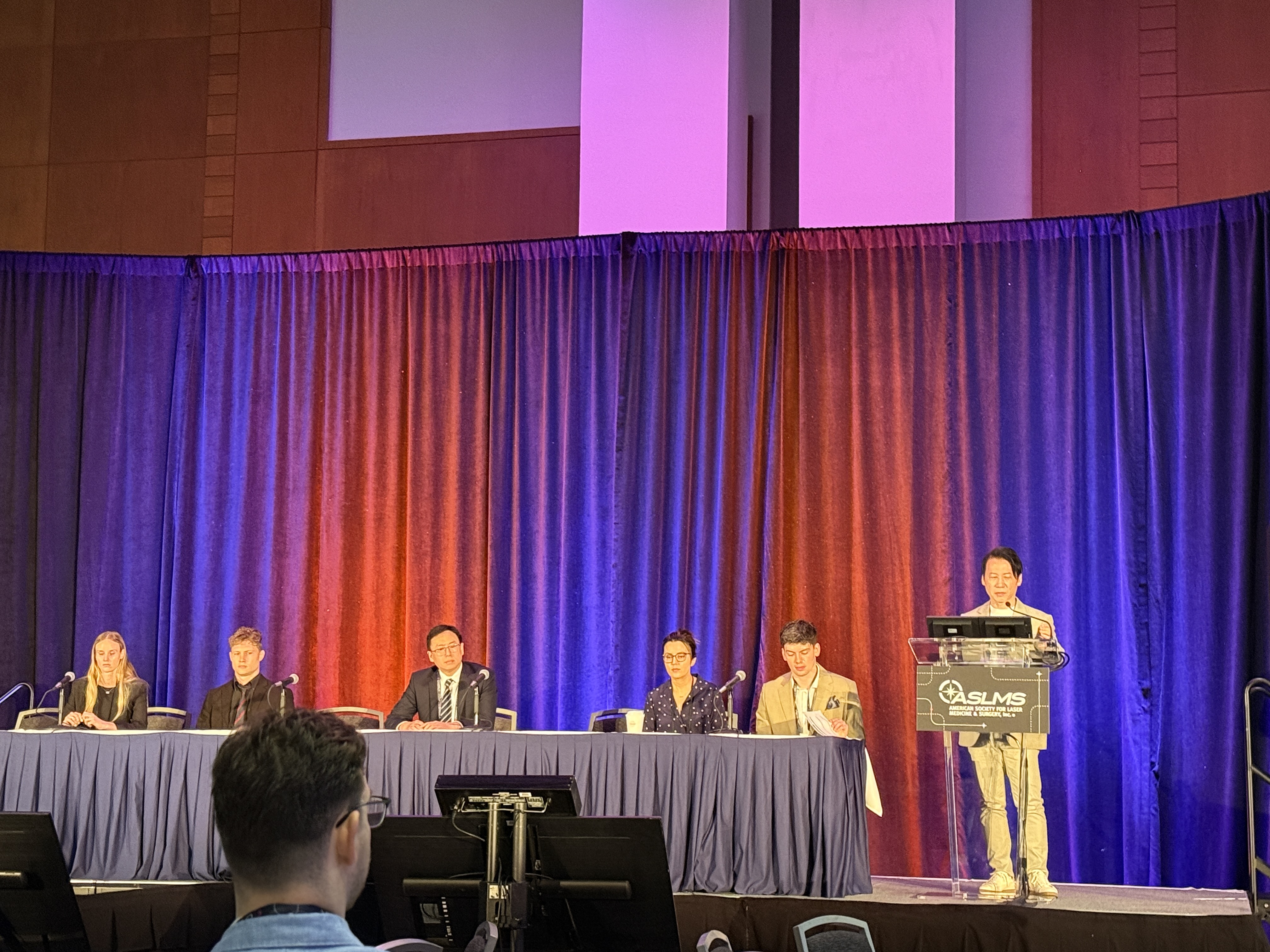
Taiwan’s prowess in regenerative medicine and clinical research has once again stunned the international community. Dr. Carl Kuo Liang Cheng, a renowned Taiwanese dermatologist, was recently invited to present his latest pilot research at the American Society for Laser Medicine and Surgery (ASLMS). Addressing Post-Inflammatory Hyperpigmentation (PIH) and stubborn melasma—challenges faced by 90% of Asians post-laser treatment—the study introduces a breakthrough: using Taiwan-developed exosomes combined with energy-based devices (EBD) and AI-driven acceleration to regulate melanin, inflammation, and collagen while preventing PIH.
Supported by rigorous histopathological data, this research has been included in the latest regenerative medicine textbook, Advanced Techniques and Emerging Technologies in Cosmetic Surgery, edited by American plastic surgery professor Dr. Diane Irvine Duncan, marking a new milestone for Taiwan’s high-end aesthetic medical research.
One participant, Ms. Lu, had struggled with melasma for over 30 years. Despite multiple picosecond laser treatments, she suffered from prolonged recovery periods and limited results. After receiving the exosome-combined regenerative treatment, she noted a significant difference in recovery speed and skin stability.
From "Depigmentation" to "Full-Skin Layer Repair"
Medical consensus is shifting from simple "pigment removal" to a "full-skin layer health repair" approach. Dr. Cheng emphasized that for many Asian women, the core issue is the cycle of recurrent melasma. Statistics show that 83% to 95.5% of melasma lesions involve damage to the basement membrane, allowing melanin to penetrate deeper into the dermis.
Exosomes Driving Photo-Regenerative Medicine
Clinical data revealed that while Type III collagen typically declines six weeks post-laser, the exosome-treated group maintained high levels (up to 12-15 times higher), keeping the tissue in a "regenerative repair" state. Additionally, Type IV collagen in the basal layer increased by 3.5 times. Dr. Cheng described this as "resetting the wound healing clock to a more youthful mode."
This research is powered by Bionet’s AI technology, with findings recently published in Currents in Molecular Biology. Bionet has obtained TFDA approval for human-cell-derived exosome materials, leveraging 16 years of AI bio-data to establish a molecular analysis platform that continues to drive innovation.
References & Notes:
• Global consensus on the management of melanin hyperpigmentation disorders
• Histochemical and Immunohistochemical Study in Melasma: Evidence of Damage in the Basal Membrane.
Note: The clinical outcomes of this study are strictly limited to the performance of compliant exosome materials administered via "physical transdermal delivery with Energy-Based Devices (EBD)" or "post-treatment topical application."